

loader image

Best Process Mapping Consultant in India

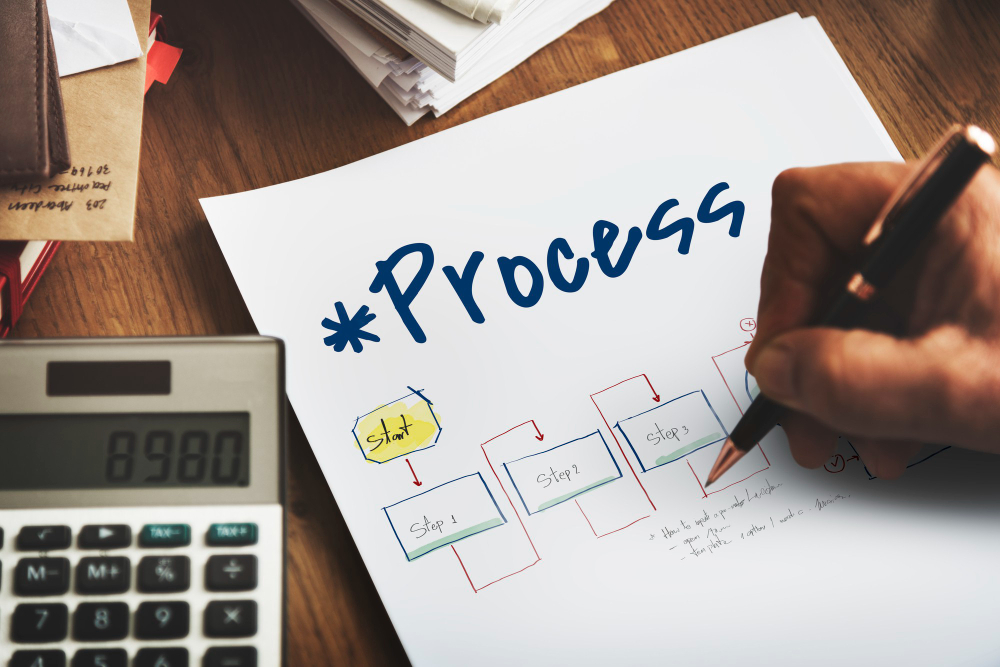
Process Mapping and improvement are becoming increasingly important for organizations. As we move forward, organizations are building more and more functions, all with different purposes, technologies, software touching various departments and delivering services or products. As organizations grow in size and capability, knowing how to map, analyze and improve every function is a skill for which Process Mapping becomes vital.
 
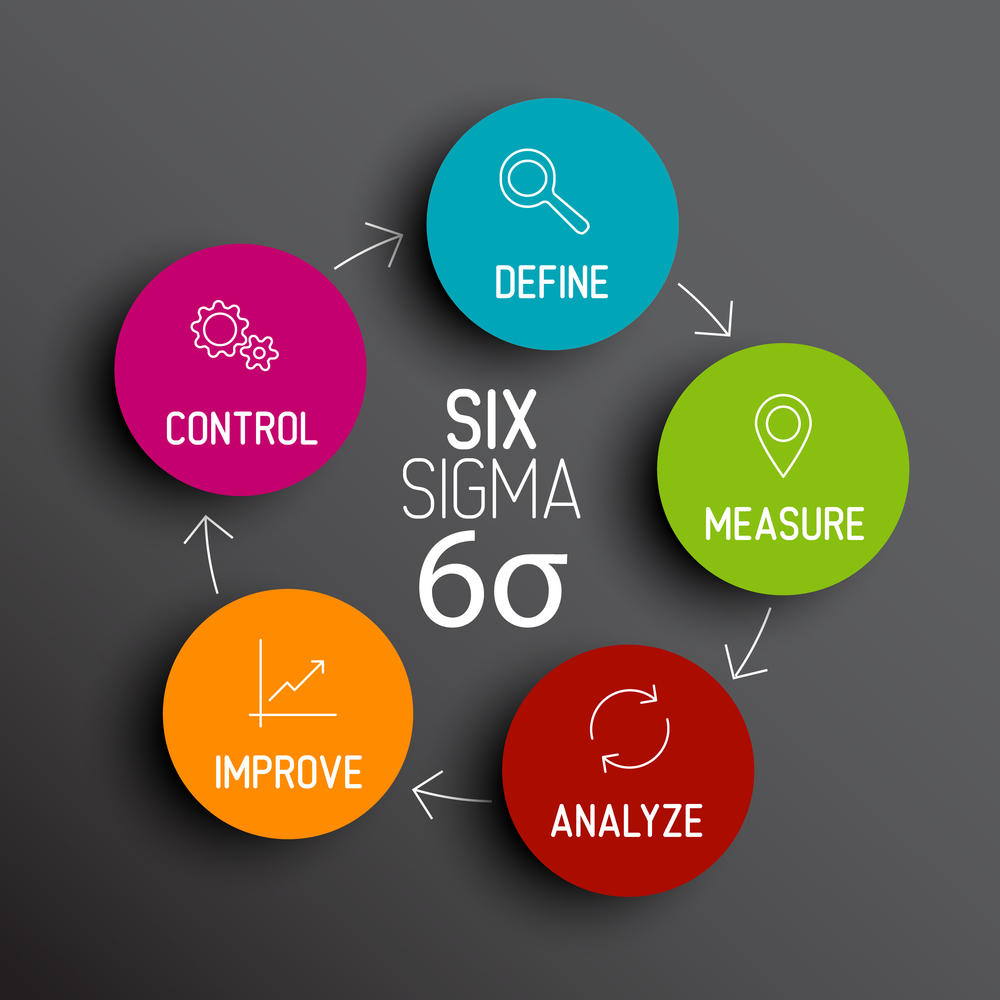
Process Mapping in Six Sigma is a graphical technique for dissecting a process by capturing and integrating the combined knowledge of everyone associated with the process.
AI Lean Six Sigma Consulting in india

Why Use Process Mapping Six Sigma?

Lean manufacturing is a structured methodology focused on eliminating waste, maximizing customer value, and driving continuous improvement across the supply chain by applying proven lean principles, tools, and techniques. It centers on mapping the value stream from order entry to dispatch, distinguishing value-added from non-value-added activities, identifying push or pull flows between work centers, quantifying the VA: NVA ratio, and designing an ideal future state to dramatically improve that ratio. As the best process mapping consultant in India, ARROWHEAD begins every value stream mapping exercise by pinpointing opportunities to simplify, optimize, eliminate, or improve repeatable processes—especially those involving multiple handoffs—then leverages its Black Belts to identify targeted kaizen opportunities that deliver measurable reductions in non-value-added time and sustainable operational gains.

ARROWHEAD’S Process Mapping

Frequently Asked Question

What is process mapping in Six Sigma and why does it matter for business improvement?

Process mapping in Six Sigma is a graphical technique that captures the combined knowledge of everyone involved in a process — showing every step, decision point, input, and output. As organisations grow in complexity, inefficiencies, rework loops, and handoff errors stay invisible without a clear process map. Arrowhead uses process mapping as the foundation for every Lean and Six Sigma engagement to pinpoint exactly where improvement effort delivers the greatest measurable return.

Process mapping focuses on a specific workflow — capturing steps, inputs, outputs, roles, and timings within a single process. Value stream mapping (VSM) takes a wider view: it maps the entire flow from customer order to delivery, quantifies the VA:NVA ratio across the full value stream, and designs a future state to dramatically improve it. In Arrowhead engagements, process mapping is typically used to drill into specific problem areas identified during a broader VSM exercise.

Every industry with complex, multi-step, or multi-function processes benefits — not just manufacturing. Arrowhead has delivered process mapping engagements across Automotive, FMCG, Logistics, Finance, Banking, E-Commerce, Agro Chemicals, Telecom, Education, Hospitality, Oil & Gas, Plastics, Digital Print, and Publishing. Whether the process involves a product, a service, a financial transaction, or a customer journey — process mapping provides the clarity needed to eliminate waste and improve speed.

Arrowhead follows a structured 7-step approach: identifying all inputs and outputs at a bird's-eye level → mapping every stage including inspection, rework, and loss points → classifying inputs as Controllable, Noise, or SOP variables → documenting the full process map with roles and timings → gathering stakeholder feedback → assigning delegation responsibilities → identifying Kaizen opportunities for rapid wins. For deeper issues, Arrowhead builds project charters and assigns Black Belts to lead structured Six Sigma projects.

Yes. Arrowhead provides full process documentation support — updating existing maps, creating new ones, and organising them into a coherent reference system. Once documentation is complete, Arrowhead runs targeted training sessions so employees understand what has changed and are equipped to operate and sustain new processes. Training is role-specific - from frontline operators to process owners - ensuring improvements are embedded into daily operations, not left in a document no one uses.

Request a callback